


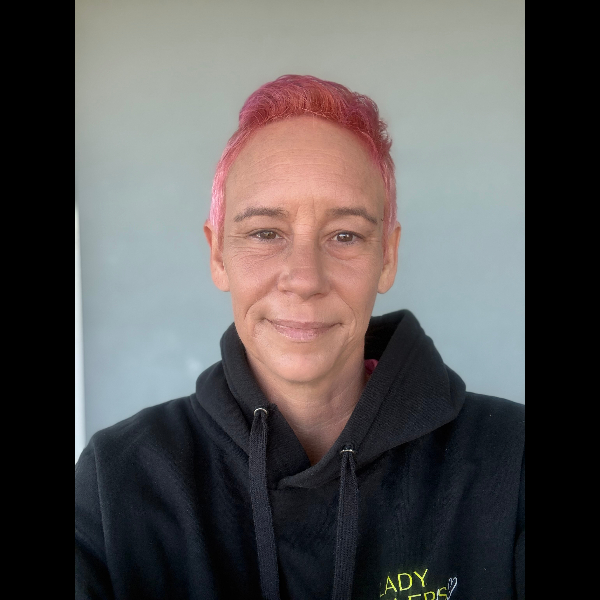
I have pledged to GO PINK for all of June.
Support me to GO PINK!
Did you know that every day 56 people in Australia are diagnosed with breast cancer and 9 people die from this disease?
This June, I've made a pledge to WEAR IT, SHAVE IT or COLOUR IT and raise funds for world-class breast cancer research to help NBCF towards their vision of Zero Deaths from breast cancer.
Please support my GO PINK pledge to save lives and make a difference.
Together, let's make Zero Deaths from breast cancer possible.
My Badges

My Pink Pledge for Breast Cancer

Uploaded My Profile Pic

Shared My Page

Invite a friend

Created a Facebook Fundraiser

Posted on Tribute Wall

Got My First Donation

Raised $100

Raised $250

Raised $500

Raised $1,000

Raised $1,500

50% to Fundraising Goal

100% to Fundraising Goal
My Updates
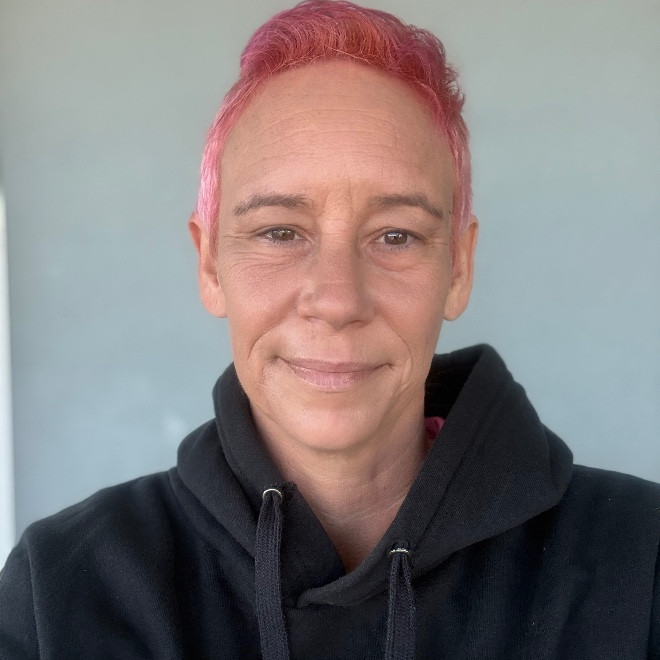
Hello, is there anybody out there?, is this mic on? Testing,testing? -( cue numerous Audio jokes- we’ve heard them all)
Friday 26th Jun Ok, those of you who know me , should know I don’t do things by halves, I committed myself to raising $1500 for Breast Cancer Awareness and research and so far I’ve only raised $253! I know things are tough, but it’s also tax time, any donations over $2 ( tbh don’t hold me to that)- ask an accountant), means you will get a lovely email back , with a form to use for deduction. Anyways, I am so dedicated to this cause I’m going to add a bit of extra incentive- I raise $1500 by June 30, I’ll shave my head- live on fb( and if possible, with Jilli doing the honours, if not it could be Grace at the helm which will make for possibly the most entertaining ( and positive thing) thing you will watch since they invented Otters… so SHOW ME THE MONEY PEOPLE!!!!
Sorry lovelies, due to personal circumstances I lost track, and doing my best. This is why your donation matters
Sunday 21st Jun- The Target: About 1 in 5 breast cancers overproduce a protein called HER2, which acts like an accelerator pedal for cancer growth.
- The Treatment: Advanced drugs block these proteins, effectively cutting off the fuel supply to the tumor.
- The Impact: It has transformed HER2-positive breast cancer from one of the most aggressive types into one of the most treatable.
- The Target: These are advanced, dual-action medicines.
- The Treatment: They combine a smart antibody (which tracks down the cancer cell) with a powerful chemotherapy payload.
- The Impact: The chemo is dropped directly inside the cancer cell, leaving the surrounding healthy cells untouched.
- The Target: These drugs target the internal biological "clock" of a cell.
- The Treatment: They block specific enzymes (CDK4 and CDK6) that tell cancer cells when to divide and multiply.
- The Impact: This treatment keeps hormone-driven breast cancers locked in a resting state, delaying the need for harsh chemotherapy for years.
- The Target: This therapy is designed specifically for patients who carry inherited genetic mutations, such as the BRCA1 or BRCA2 genes.
- The Treatment: It stops cancer cells from repairing their own damaged DNA, causing them to self-destruct.
- The Impact: It offers a highly effective, non-chemo pill option for families carrying hereditary cancer risks.
- Fewer Side Effects: Patients can often keep working, parenting, and living active lives while undergoing treatment.
- More Time: Women and men with advanced stages of the disease are surviving years longer than was possible a decade ago.
- Personalised Hope: Doctors no longer use a one-size-fits-all approach; they can tailor the treatment directly to the patient's specific tumor DNA.
Changing the narrative.
Tuesday 16th Jun A child of the 80’s , I grew up in a world where slowly but surely topics of conversation started including things that once were considered taboo. AIDS, HIV, sexual health, disability, equality, where all of a sudden open to discussion, challenging stigma, and how the world responded to and worked to improve research, treatment and education around these topics. The other day I decided to do a tally of the people I had connections with who had fought Breast Cancer. I also realised how many I knew who suffered alone during the 80’s 90’s early 2000’s before the likes of this and many other Breast Cancer Awareness Fundraisers. One of the saddest aspects was realising that for the most part those who had undergone chemo, radiation, surgery had done so in almost secret like ways. Not only were they not visible in public, but often we only found out when the battle was lost. Any serious medical diagnosis is a highly personal matter and some choose not to disclose publicly their fight for what ever reason, they may feel that they will lose their identity to a diagnosis. For others, the longer they can fake good health the less serious the outcome. But back then? The reality was it was just too bloody confronting. So women stayed at home, they quietly left jobs so not to use medical leave, they threw up excuses not to catch up with friends or go to their child’s school events, they went to treatment, they suffered in silence, all because you just didn’t talk about Breast Cancer. The mental health toll would have been immense, where as now there is specific mental health support groups and psychological counselling for patients and their families, it’s ironic that even with the visible awareness, that society still struggles with the reality. While doing a tally of those I’ve had connections to who have had either a diagnosis or undergone pre-emptive measures for breast cancer ( I no longer have the digits to count), all of those who passed away from breast cancer, where in the majority of 80’s and 90’s and we found out at their passing. It stings that had we had known we would have supported them the way we ask people to do now.
One thing I wished I knew before diagnosis
Saturday 13th Jun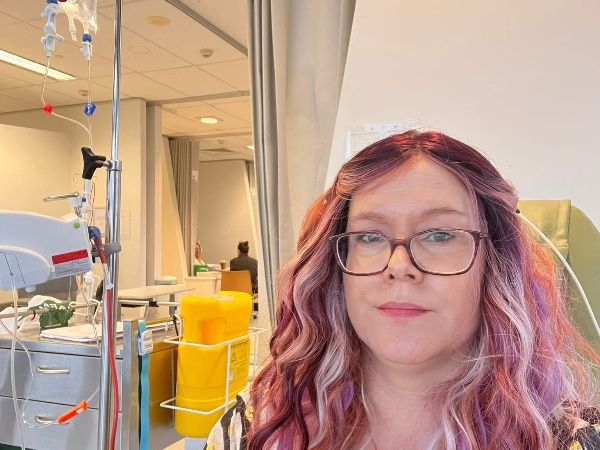
How to Support Someone Living with Breast Cancer 💗
Tuesday 9th JunWhen someone you care about is facing breast cancer, it's natural to want to help—but often it's hard to know what to say or do.
The truth is, support doesn't have to be grand gestures. The small things often mean the most.
🌸 Be present. Sometimes they don't need advice or positivity—they just need someone willing to listen.
🌸 Offer practical help. Instead of saying "Let me know if you need anything," try specific offers such as:
• Driving them to appointments
• Picking up groceries
• Walking the dog
• Helping with meals
• Looking after children or pets
🌸 Keep checking in. Support often floods in after diagnosis but can fade during treatment and recovery. A simple message saying, "Thinking of you today" can mean the world.
🌸 Respect their emotions. Some days they may feel hopeful, other days scared, angry, exhausted, or overwhelmed. They don't need to be brave every moment.
🌸 Remember the person, not just the cancer. Talk about everyday life, shared interests, funny stories, and future plans. They are still themselves beyond their diagnosis.
🌸 Support doesn't end when treatment does. The anxiety around scans, follow-up appointments, side effects, and fear of recurrence can continue long after active treatment has finished.
Most importantly, don't worry about finding the perfect words. Showing up, staying connected, and reminding them they don't have to face it alone is often the greatest gift you can give.
💕 To anyone supporting a loved one through breast cancer: your kindness, patience, and presence matter more than you know.
Share
The Scananxiety No One Talks About Enough
Sunday 7th JunFor many people, the hardest part of breast cancer doesn't end when treatment finishes.
Every mammogram.
Every ultrasound.
Every blood test.
Every follow-up appointment.
The anxiety can return in an instant.
That knot in your stomach while waiting for results has a name: scanxiety. It's the fear that cancer may have returned, progressed, or that something has been missed. Even years after successful treatment, many survivors carry this weight with them.
What many don't realise is that scanxiety can begin long before a diagnosis too. During treatment, every new symptom, every test, every appointment can feel overwhelming. Your life becomes measured in scans, results, and waiting rooms.
This anxiety isn't irrational. It's a normal response to having faced a life-changing illness.
If you're living with scanxiety, know that you're not alone. Talk to your healthcare team, reach out to trusted friends and family, connect with support groups, and be gentle with yourself during those difficult waiting periods.
Breast cancer may leave your body, but the emotional impact often takes much longer to heal.
To everyone waiting for results today: we're thinking of you. 💗
#BreastCancerAwareness #Scanxiety #BreastCancerSurvivor #CancerSupport #BreastHealth #MentalHealthMatters #YouAreNotAlone
Share
Breast Density and screening
Thursday 4th Jun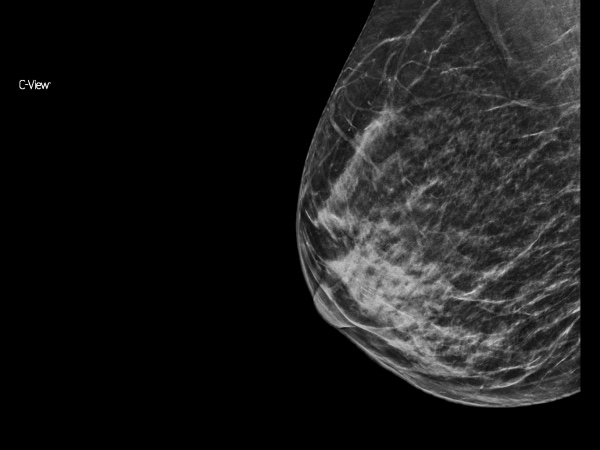
Check your Boobies!
Wednesday 3rd Jun
Going from blue to pink
Monday 1st Jun


We fully support you 💜💜